



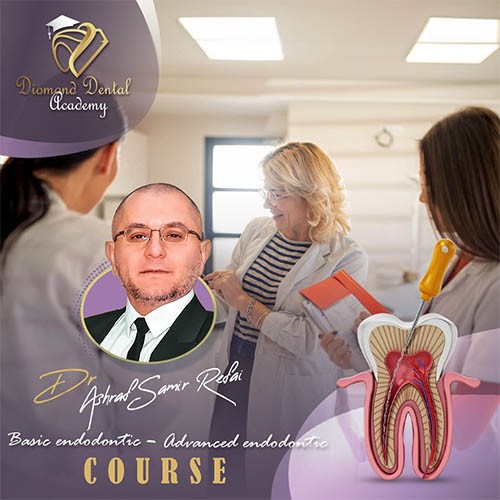
Course Detail
Basic_Endodontic_Course
First Day:
Course Objectives:
1. Magnification in Endodonticsa. Different types of magnification
b. The physics of magnification
c. The components of a microscope
d. Uses of magnification in Endodontics
e. The perceived drawbacks of magnification
f. The future
2. Access Cavity Preparation (Minimalisitic vs Conventional)
a. The principles of access cavity preparation
b. The concept of minimalistic access cavity preparation
c. The objectives of access cavity preparation
d. Finding missed canals and aberrant morphology
3. Rubberdamology
a. The concept of isolation in endodontics and its importance b. The components of the rubber dam
c. The methods of application of rubber dam
d. Rubber dam tips and tricks
4. Management of Endodontic Emergencies
Second Day:
1. Irrigation and Canal Disinfection
a. The definition of the endodontic problem
b. Complexities of root canal morphology
c. The understanding of root canal disinfection
d. The different irrigants
. What not to irrigate with?
e. Irrigant activation, delivery and agitation
Rotary agitation
Ultrasonic agitation
Mechanical agitation
2. Rotary vs Reciprocation
a. The steps of root canal instrumentation
b. Negotiating the canals with ease? The correct motion?
c. The glide path
d. The different types of rotary files available today
Martensistic vs Austentitic
· How to use the different files?
e. The reason instruments fracture and how to prevent it (How to break instruments effectively)
f. The guidelines for safe use of rotary and reciprocating instruments
3. 3D obturation of the canals
a. The purpose of obturation
b. Different techniques of obturation
c. The use of bioceramics are they really better.
d. Single cone and Matched cone, the easy way out? Is it effective?
That's all for now
====================================
#Advanced_Endodontic_Course
First Day:
Course Objectives:
1. Magnification in Endodontics
a. Different types of magnification
b. The physics of magnification
c. The components of a microscope
d. Uses of magnification in Endodontics
e. The perceived drawbacks of magnification
f. The future
2. Access Cavity Preparation (Minimalisitic vs Conventional)
a. The principles of access cavity preparation
b. The concept of minimalistic access cavity preparation
c. The objectives of access cavity preparation
d. Finding missed canals and aberrant morphology
3. Rubberdamology
a. The concept of isolation in endodontics and its importance b. The components of the rubber dam
c. The methods of application of rubber dam
d. Rubber dam tips and tricks
4. Management of Endodontic Emergencies
Second Day:
1. Irrigation and Canal Disinfection
a. The definition of the endodontic problem
b. Complexities of root canal morphology
c. The understanding of root canal disinfection
d. The different irrigants
What not to irrigate with?
e. Irrigant activation, delivery and agitation
Rotary agitation
Ultrasonic agitation
Mechanical agitation
2. Rotary vs Reciprocation
a. The steps of root canal instrumentation
b. Negotiating the canals with ease? The correct motion?
C.The glide path
d. The different types of rotary files available today
Martensistic vs Austentitic
How to use the different files?
e. The reason instruments fracture and how to prevent it (How to break instru effectively)
f. The guidelines for safe use of rotary and reciprocating instruments
3. 3D obturation of the canals
a. The purpose of obturation
b. Different techniques of obturation
c. The use of bioceramics are they really better.
d. Single cone and Matched cone, the easy way out? Is it effective
